This article is for educational purposes and summarizes research directions. It is not medical advice or a recommendation to use any product.
What are peptides?
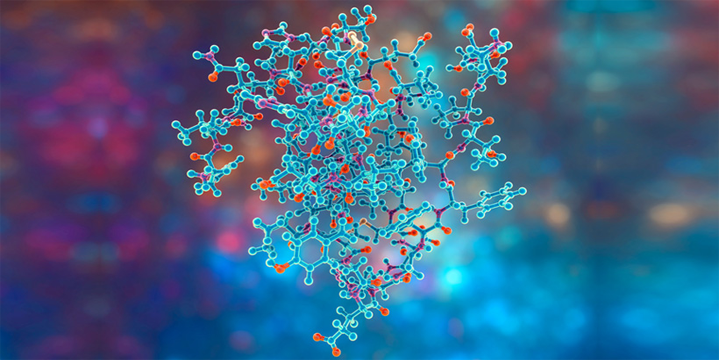
Peptides are short chains of amino acids linked by amide (“peptide”) bonds. In chemistry terms, they’re amides formed from two or more amino-carboxylic acids; when chains get long and complex we typically call them proteins. Scientists often use rough cutoffs like “2–50 amino acids” for peptides, but the boundary with proteins is contextual. goldbook.iupac.org+1
Why are peptides interesting to scientists?
Peptides are central to biology (think insulin, oxytocin, GLP-1), so researchers use them as precise tools to modulate signaling pathways. As medicines, they can be highly selective with predictable metabolism, but they also face hurdles like rapid enzymatic breakdown and poor oral absorption. Over the past decade, chemical tweaks (cyclization, lipidation, PEGylation), depot formulations, and delivery enhancers have made peptide drugs an increasingly active area of development. Nature+1
A snapshot of the field: surveys of FDA approvals indicate ~100 peptide therapeutics have been approved across indications, and peptide/oligo (“TIDES”) drugs now make up a meaningful fraction of annual approvals. Wiley Online Library+1
What have studies reported peptides can do?
Because “peptides” is a huge category, researchers group them by biological role or intended use. A few broad buckets from the literature:
- Endocrine/metabolic peptides. Hormone analogs (e.g., GLP-1 receptor agonists such as semaglutide) have been developed to affect appetite and glucose regulation by activating specific G-protein–coupled receptors. Clinical development has focused on dosing, durability, and routes of administration. Nature
- Antimicrobial peptides (AMPs). Innate-immune peptides from many species can disrupt microbial membranes or modulate host responses. Reviews summarize diverse structures, mechanisms (e.g., membrane permeabilization, intracellular targeting), and delivery strategies under investigation (nanoparticles, hydrogels) to improve stability and reduce toxicity. Most AMP work remains preclinical or early-clinical. PMC+2BioMed Central+2
- Targeted and diagnostic peptides. Short sequences can home to receptors overexpressed on certain tissues (including tumors), serve as vectors for drug conjugates, or be used in imaging. Chemical design and conjugation strategies are an active research area. Nature
These examples illustrate research directions rather than general claims about any single peptide. Effects vary dramatically by sequence, dose, formulation, and route.
How do peptides work at the cellular level?
Many therapeutic peptides act by binding to specific cell-surface receptors (often GPCRs), triggering second-messenger cascades that alter gene expression, secretion, or neuronal signaling. Others act physically on membranes (common with AMPs) or serve as targeting ligands that bring cargo to defined cell types. Mechanistic reviews emphasize how subtle changes to sequence and structure determine receptor affinity, signaling bias, and off-target effects. Nature+1
The big challenges: stability and delivery
Two practical issues dominate peptide R&D:
- Proteolysis and short half-life. Peptidases in blood and tissues rapidly degrade many linear peptides. Medicinal chemistry strategies like cyclization, D-amino acids, N-methylation, lipidation, and PEGylation can improve stability and pharmacokinetics. Nature+1
- Getting peptides into the body (and to the right place). Most approved peptide drugs are injected. Oral delivery has been a long-standing goal because the gut rapidly breaks down peptides and epithelial barriers block uptake. One notable advance is oral semaglutide, which pairs the peptide with the permeation enhancer SNAC; clinical and mechanistic studies describe how SNAC shields semaglutide in the stomach and transiently increases transcellular uptake. New modeling work suggests SNAC both associates with the peptide and induces dynamic membrane defects that facilitate permeation. PMC+2Diabetes Journals+2
Beyond oral routes, researchers are testing transdermal, intranasal, implantable, and long-acting depot approaches; formulation science is as important as sequence design. Nature
Safety, regulation, and quality
Peer-reviewed surveys highlight that peptide therapeutics must meet the same manufacturing and clinical standards as any drug: validated identity and purity, consistent potency, and rigorous trials. Regulatory snapshots warn against unapproved products marketed online—especially when labeled “for research only” but promoted for human use. For consumers and clinicians, the take-home is that approval status and product quality control matter as much as the peptide’s name. Wiley Online Library+1
Key takeaways
Much of the most exciting work (e.g., next-gen AMPs, targeted conjugates) is still preclinical or early-clinical; results in animals or models don’t guarantee human outcomes. BioMed Central+1
“Peptide” is a chemistry term, not a claim of benefit; biological effects depend entirely on the specific sequence, dose, and delivery. goldbook.iupac.org
Peptide medicines are a growing class, with ~100 FDA-approved examples and more in development, spanning metabolism, oncology, and infectious disease research. Wiley Online Library+1
The science focuses as much on how to deliver peptides (and keep them intact) as on what they bind; oral technologies like SNAC show what’s possible when formulation and mechanism are aligned. PMC+1